Minnesota's Passerines

Columba livia
Rock Pigeon
Greatly altered from its original wild form, the rock pigeon, or rock dove, is the most commonly associated appearance with pigeons. They have a blue-gray head and white-gray body feathers with black barring along the wings. It is also known for its iridescence along the neck, which is more prominent among the males than the females.

Patagioenas fasciata
Band-tailed pigeon
The largest North American pigeon, it is a mostly gray bird with a faint pink highlight to he body. Its bill and feet are a contrasting yellow, and males have a green iridescence confined to the back of their neck. They are constantly roaming birds, and never truly settle down in one location.

Streptopelia decaocto
Eurasian Collared-dove
A medium sized, slim bird similar to the Rock Pigeon. It is largely gray with a pink highlight, with darker colors on the lower body. It has a black half-collar outlined in white along the back of its neck.

Cardinalis cardinalis
Northern Cardinal
The famous crimson bird is actually only the male plumage of this bird. Females have mostly gray-brown tones and a less pronounced head crest. The mask pattern on their face is also less vibrant than that of the males, with a grayish tone instead of the male's black feathers. Juveniles of both sexes tend to look more similar to female cardinals, until Autumn when they molt and develop adult plumage.

Scardafella inca
Inca Dove
A small new world dove with a feather pattern grow in such a way that they resemble scales. They have gray feathers with a long, white tail that is more noticeable in flight. Upon taking flight, the fluttering of their wings create a quiet rattling noise.

Columbina passerina
Common Ground Dove
One of the smallest doves in the world by mass, the common ground dove has a scale-like appearance to its plumage. Largely gray in color with a pink coloration to the underbellies and upper wing feathers.

Zenaida asiatica
White-winged Dove
A small raptor with large wings, these owls are easily identified by their dark wrist marks and black wing tips. Their fluttery, "moth-like" flight pattern also makes them easier to spot during their diurnal hunting. Their plentiful wing markings and significantly smaller ear tufts separate them from their long-eared cousins.

Zenaida macroura
Mourning Dove
One of America's smallest owls, these owls are very similar to the more common Northern Saw-whet Owl. Comparatively, the Boreal Owl has a gray crown and forehead with lighter, fine streaks compared to the NSWO's dotted pattern. The Boreal Owl is a rare sight in Minnesota, with a limited known population and dwindling habitat, this species is currently protected.

Crotophaga sulcirostris
Groove-billed Ani
The smallest of Minnesota's owls, the Northern Saw-whet is a common sight. It's coloration is mostly brown, with long white streaks in its back and chest feathers. It can normally be found hunting small mammals like mice and shrews.

Coccyzus erythropthalmus
Black-billed Cuckoo
The most common falcon in North America, the Kestrel is a lean and swift hunter, often going after insects and small mammals. While males tend to have gray wings with black spots and white underwings, and a rust-colored brown on its back. Females, however, have more diffused brown coloration, and their tails have significantly more brown with narrow black barring compared to the male's.

Coccyzus americanus
Yellow-billed Cuckoo
Stocky compared to its smaller size, the Merlin is a varied bird. Males often have more grayish coloring, with a brown underbody with less streaked pattering, while the females consist largely of various browns, often looking similar to nestlings. It's flight feathers and tail have distinct black bands, which can make identification easier. Merlins tend to each other birds, chasing and catching them out of the air.

Chordeiles minor
Common Nighthawk
Potentially the widest ranging raptor in the world, the Peregrine is distinct for its long, pointed wings and narrow tail. Adults tend to have blue, slated markings along the length of its body, with a white throat and underbelly. While its beak, eyes, and wings are yellow like It's flight pattern is more narrow, aiding in direct pursuit of its common prey, smaller birds.

Phalaenoptilus nuttallii
Common poorwill
Unique enough to gain their own genus, the Osprey has a very long history. It appears in the fossil record as far as 23 million years ago, with a claw discovered in Egypt. With a diet consisting almost entirely of fish, the Osprey is uniquely suited for aquatic hunting. Its white breast and glossy brown back and wings are resistant to water, letting it hunt for fish with little issue.

Antrostomus carolinensis
Chuck-will's-widow
Named for its famous white head, the Bald Eagle is a sea eagle which primarily hunts for fish. It is an opportunistic feeder, finding and swooping for nearly whatever it considers food. It's relatively easy to spot, in large part thanks to its protected status and American symbolism, but it's white head and dark brown body are instantly recognizable.

Antrostomus vociferus
Eastern whip-poor-will
A migratory hawk, the Harrier has the longest wing and tail relative to its body size of all American raptors. Nearly silent hunters, they tend to favor small mammals and birds, which they dive for once they spot. Most have largely dark brown plumage, but males are known for having a ghostly gray coloration, especially under their wings and bellies.

Chaetura pelagica
Chimney Swift
A rather small bird, the Sharp-shinned Hawk, or "Sharpie," is an excellent hunter in dense forests. They can often be spotted by their gray backs and wings, though chest color varies based on subspecies.

Aeronautes saxatalis
White-throated Swift
Often gray in coloration with blue or brown hues, the Cooper Hawk is one of the longest lasting species of raptor in the Americas. Its distinctive head shape and darker coloration can set it apart from other local species, though the three dark bands along its tail and whitish wing tip are good identifiers. They hunt a wide variety of prey, taking advantage of whatever they can.

Colibri thalassinus
Mexican violetear
While a nestling it can often be confused for similar species like the Cooper's Hawk, though it becomes more distinct in adulthood. Its gray-brown back and rounded head shape can make it hard to distinguish from other hawks, but its banded pattern along its chest is an easy identifier. They are opportunistic predators, though they often target smaller birds.

Eugenes fulgens
Rivoli's Hummingbird
Though its orange coloration it's named after is a prominent identifier, the signature "shoulders" can only be seen while it is perched. They can be spotted by their brown heads, long tails, and distinct white bars along its wings and chest. They hunt by dive bombing their prey, often going after larger rodents or birds.

Archilochus colubris
Ruby-throated Hummingbird
With a dark brown body and paler chest, these birds are often confused with the Red-shouldered Hawk. Though they do have similarly orange-ish upper bodies and scattered white along its lower body, they lack the prominent bands or long tails found in Red-shouldered hawks. Commonly opportunistic predators, their diet tends to shift with the seasons depending on what is available.

Calypte anna
Anna's Hummingbird
The "light-morph" variety found more commonly in the Midwest is known for its paler coloration, with a whiter lower body and white throat patch. Apart from this paler complexion are their dark flight feathers and pale-gray upper body. These birds are known to still-hunt, where they stay perched on a high object and wait for unaware prey to wander close.

Calypte costae
Costa's Hummingbird
One of the largest and most common falcons in North America, these birds are a common choice of companion for falconers. While they have several subspecies, they can generally be identified by a white underbelly and darker band along the chest, as well as the prominent brick-red tail. Their diet generally consists of smaller mammals and rodents, but this can vary depending on the seasons.

Selasphorus calliope
Calliope Hummingbird
The largest species of falcon in the world, the Gyrfalcon is found in high altitude tundras in northern regions. General coloration is white, silver, or black; though these can vary depending on the individual. Darker coloration is more prominent in females, however. They tend to hunt mammals, with a more pursuit based hunting strategy compared to other falcons.

Selasphorus rufus
Rufous Hummingbird
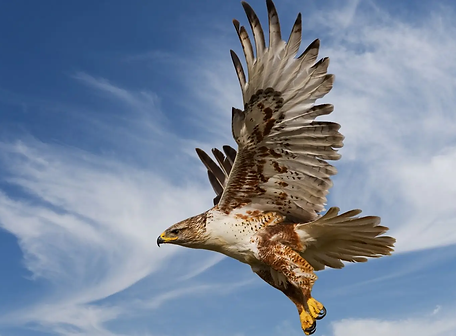
Often mistaken for the Peregrine Falcon, these birds are often found in the Western United States, though can be spotted in Minnesota. They are more a warm brown coloration than the Peregrine, and lack the district yellow coloration of the eyes and beak. Their chest is also more spotted with brown dots than the Peregrine. While it is opportunistic like most other falcons, this bird often hunts small mammals or birds, which it takes back to its nest before consuming.

Melanerpes lewis
Lewis's Woodpecker
A primarily grounded owl, these birds often roost in burrows, though it does not make these tunnels themselves. They are diurnal, primarily being active in the day unlike most owls, and retreat into their burrows at night. They lack the ear tufts of many other owls, and a distinct white chin patch can be seen during certain aggressive or mating behavior. They are generally a lighter brown with spotted white coloration, though this pale color may be obscured by dirt. They are still-hunters, perching and waiting until they spot prey to pursue, usually insects.
Merlanerpes erythrocephalus
Red-headed Woodpecker
Generally a brownish rust color along the main body, though the head and breast are whiter. Notably long wings, with wingtips nearly reaching the tip of the tail while folded. Spotted brown coloring along the otherwise white wings. Generally hunt medium mammals, though they have been known to eat birds and insects as well.

Melanerpes formicivorus
Acorn Woodpecker
A stark contract of black and white defines the Swallow-tailed Kite's coloration, with its signature forked tail and long wings visible both while perched and in flight. They are often found in Central America and the southern United States, though they have been brought to Minnesota. Generally they feed on reptiles and insects, though they also eat fish when available.
Melanerpes carolinus
Red-bellied Woodpecker
The most common falcon in North America, the Kestrel is a lean and swift hunter, often going after insects and small mammals. While males tend to have gray wings with black spots and white underwings, and a rust-colored brown on its back. Females, however, have more diffused brown coloration, and their tails have significantly more brown with narrow black barring compared to the male's.
Sphyrapicus thyroideus
Williamson's Sapsucker
Stocky compared to its smaller size, the Merlin is a varied bird. Males often have more grayish coloring, with a brown underbody with less streaked pattering, while the females consist largely of various browns, often looking similar to nestlings. It's flight feathers and tail have distinct black bands, which can make identification easier. Merlins tend to each other birds, chasing and catching them out of the air.
Sphyrapicus varius
Yellow-bellied Sapsucker
Potentially the widest ranging raptor in the world, the Peregrine is distinct for its long, pointed wings and narrow tail. Adults tend to have blue, slated markings along the length of its body, with a white throat and underbelly. While its beak, eyes, and wings are yellow like It's flight pattern is more narrow, aiding in direct pursuit of its common prey, smaller birds.
Picoides dorsalis
American Three-toed Woodpecker
Unique enough to gain their own genus, the Osprey has a very long history. It appears in the fossil record as far as 23 million years ago, with a claw discovered in Egypt. With a diet consisting almost entirely of fish, the Osprey is uniquely suited for aquatic hunting. Its white breast and glossy brown back and wings are resistant to water, letting it hunt for fish with little issue.
Picoides arcticus
Black-backed Woodpecker
Named for its famous white head, the Bald Eagle is a sea eagle which primarily hunts for fish. It is an opportunistic feeder, finding and swooping for nearly whatever it considers food. It's relatively easy to spot, in large part thanks to its protected status and American symbolism, but it's white head and dark brown body are instantly recognizable.
Dryobates pubescens
Downy Woodpecker
A migratory hawk, the Harrier has the longest wing and tail relative to its body size of all American raptors. Nearly silent hunters, they tend to favor small mammals and birds, which they dive for once they spot. Most have largely dark brown plumage, but males are known for having a ghostly gray coloration, especially under their wings and bellies.
Dryobates villosus
Hairy Woodpecker
A rather small bird, the Sharp-shinned Hawk, or "Sharpie," is an excellent hunter in dense forests. They can often be spotted by their gray backs and wings, though chest color varies based on subspecies.
Colaptes auratus
Northern Flicker
Often gray in coloration with blue or brown hues, the Cooper Hawk is one of the longest lasting species of raptor in the Americas. Its distinctive head shape and darker coloration can set it apart from other local species, though the three dark bands along its tail and whitish wing tip are good identifiers. They hunt a wide variety of prey, taking advantage of whatever they can.
Dryocopus pileatus
Pileated Woodpecker
While a nestling it can often be confused for similar species like the Cooper's Hawk, though it becomes more distinct in adulthood. Its gray-brown back and rounded head shape can make it hard to distinguish from other hawks, but its banded pattern along its chest is an easy identifier. They are opportunistic predators, though they often target smaller birds.
Myiarchus cinerascens
Ash-throated Flycatcher
The most common falcon in North America, the Kestrel is a lean and swift hunter, often going after insects and small mammals. While males tend to have gray wings with black spots and white underwings, and a rust-colored brown on its back. Females, however, have more diffused brown coloration, and their tails have significantly more brown with narrow black barring compared to the male's.
Myiarchus crinitus
Great Crested Flycatcher
Stocky compared to its smaller size, the Merlin is a varied bird. Males often have more grayish coloring, with a brown underbody with less streaked pattering, while the females consist largely of various browns, often looking similar to nestlings. It's flight feathers and tail have distinct black bands, which can make identification easier. Merlins tend to each other birds, chasing and catching them out of the air.
Tyrannus melancholicus
Tropical Kingbird
Potentially the widest ranging raptor in the world, the Peregrine is distinct for its long, pointed wings and narrow tail. Adults tend to have blue, slated markings along the length of its body, with a white throat and underbelly. While its beak, eyes, and wings are yellow like It's flight pattern is more narrow, aiding in direct pursuit of its common prey, smaller birds.
Tyrannus vociferans
Cassin's Kingbird
Unique enough to gain their own genus, the Osprey has a very long history. It appears in the fossil record as far as 23 million years ago, with a claw discovered in Egypt. With a diet consisting almost entirely of fish, the Osprey is uniquely suited for aquatic hunting. Its white breast and glossy brown back and wings are resistant to water, letting it hunt for fish with little issue.
Tyrannus verticalis
Western Kingbird
Named for its famous white head, the Bald Eagle is a sea eagle which primarily hunts for fish. It is an opportunistic feeder, finding and swooping for nearly whatever it considers food. It's relatively easy to spot, in large part thanks to its protected status and American symbolism, but it's white head and dark brown body are instantly recognizable.
Tyrannus tyrannus
Eastern Kingbird
A migratory hawk, the Harrier has the longest wing and tail relative to its body size of all American raptors. Nearly silent hunters, they tend to favor small mammals and birds, which they dive for once they spot. Most have largely dark brown plumage, but males are known for having a ghostly gray coloration, especially under their wings and bellies.
Tyrannus forficatus
Scissor-tailed Flycatcher
A rather small bird, the Sharp-shinned Hawk, or "Sharpie," is an excellent hunter in dense forests. They can often be spotted by their gray backs and wings, though chest color varies based on subspecies.
Tyrannus savana
Fork-tailed Flycatcher
Often gray in coloration with blue or brown hues, the Cooper Hawk is one of the longest lasting species of raptor in the Americas. Its distinctive head shape and darker coloration can set it apart from other local species, though the three dark bands along its tail and whitish wing tip are good identifiers. They hunt a wide variety of prey, taking advantage of whatever they can.
Contopus cooperi
Olive-sided Flycatcher
While a nestling it can often be confused for similar species like the Cooper's Hawk, though it becomes more distinct in adulthood. Its gray-brown back and rounded head shape can make it hard to distinguish from other hawks, but its banded pattern along its chest is an easy identifier. They are opportunistic predators, though they often target smaller birds.
Contopus sordidulus
Western Wood-pewee
The most common falcon in North America, the Kestrel is a lean and swift hunter, often going after insects and small mammals. While males tend to have gray wings with black spots and white underwings, and a rust-colored brown on its back. Females, however, have more diffused brown coloration, and their tails have significantly more brown with narrow black barring compared to the male's.
Contopus virens
Eastern Wood-pewee
Stocky compared to its smaller size, the Merlin is a varied bird. Males often have more grayish coloring, with a brown underbody with less streaked pattering, while the females consist largely of various browns, often looking similar to nestlings. It's flight feathers and tail have distinct black bands, which can make identification easier. Merlins tend to each other birds, chasing and catching them out of the air.
Empidonax flaviventris
Yellow-bellied Flycatcher
Potentially the widest ranging raptor in the world, the Peregrine is distinct for its long, pointed wings and narrow tail. Adults tend to have blue, slated markings along the length of its body, with a white throat and underbelly. While its beak, eyes, and wings are yellow like It's flight pattern is more narrow, aiding in direct pursuit of its common prey, smaller birds.
Empidonax virescens
Acadian Flycatcher
Unique enough to gain their own genus, the Osprey has a very long history. It appears in the fossil record as far as 23 million years ago, with a claw discovered in Egypt. With a diet consisting almost entirely of fish, the Osprey is uniquely suited for aquatic hunting. Its white breast and glossy brown back and wings are resistant to water, letting it hunt for fish with little issue.
Empidonax alnorum
Alder Flycatcher
Named for its famous white head, the Bald Eagle is a sea eagle which primarily hunts for fish. It is an opportunistic feeder, finding and swooping for nearly whatever it considers food. It's relatively easy to spot, in large part thanks to its protected status and American symbolism, but it's white head and dark brown body are instantly recognizable.
Empidonax traillii
Willow Flycatcher
A migratory hawk, the Harrier has the longest wing and tail relative to its body size of all American raptors. Nearly silent hunters, they tend to favor small mammals and birds, which they dive for once they spot. Most have largely dark brown plumage, but males are known for having a ghostly gray coloration, especially under their wings and bellies.
Empidonax minimus
Least Flycatcher
A rather small bird, the Sharp-shinned Hawk, or "Sharpie," is an excellent hunter in dense forests. They can often be spotted by their gray backs and wings, though chest color varies based on subspecies.
Sayornis phoebe
Eastern Phoebe
Often gray in coloration with blue or brown hues, the Cooper Hawk is one of the longest lasting species of raptor in the Americas. Its distinctive head shape and darker coloration can set it apart from other local species, though the three dark bands along its tail and whitish wing tip are good identifiers. They hunt a wide variety of prey, taking advantage of whatever they can.
Sayornis saya
Say's Phoebe
While a nestling it can often be confused for similar species like the Cooper's Hawk, though it becomes more distinct in adulthood. Its gray-brown back and rounded head shape can make it hard to distinguish from other hawks, but its banded pattern along its chest is an easy identifier. They are opportunistic predators, though they often target smaller birds.

Pyrocephalus rubinus
Vermilion Flycatcher
Named for their distinctive cry, the screech owl is a small bird, often with gray or red-brown coloring. Their small ear tufts and yellow eyes are also common identifiers. For hunting, they can usually be found stalking insects, rodents, or even smaller birds.

Vireo griseus
White-eyed Vireo
A large owl known for their signature feather tufts resembling horns, these predators are renowned for their efficiency. Coloration varies from red-brown to white, black, and gray. While they can go for larger prey like hawks, Great Horned Owls tend to favor mice and similar small rodents for the majority of their diet

Vireo bellii
Bell's Vireo
Though they are owls, these birds look and act deceptively similar to hawks. It is one of the few owls to hunt diurnally, and it's flight patterns and general appearance are far more similar to those of other hawks. They often have brown back feathers with a white, stripped chest and belly, but are rare sights in Minnesota.

Vireo flavifrons
Yellow-throated Vireo
Barred Owls are one of the most commonly sighted owls in Minnesota, and are known for their eerie calls. They are medium sized birds, with dark concentric rings around its face. They look similar to Great Horned Owls, though lack their distinctive ear tufts and tend to be smaller; they also have notably dark eyes, in contrast to most Minnesotan owls' yellow eyes. They often hunt small mammals and fish.

Vireo solitarius
Blue-headed Vireo
The largest North American owl, these large birds are known for their distinctively deep calls and diurnal hunting. It can be spotted by its long streaks across its otherwise white chest, as well as a long tail and lack of ear tufts. Once they find their prey, often rodents, they dive directly for them in an attempt to capture it in their talons.

Vireo philadelphicus
Philadelphia Vireo
A smaller bird of prey, these camouflaged hunters are notable for their ability to hunt in complete darkness and coloration resembling tree bark. Their name comes from their long ear tufts, and their feathers are colored with dark bars and streaks along their body and wings, with a brown-orange face. For hunting, they tend to favor rodents and other small animals that spend their nights in open fields.
Vireo gilvus
Warbling Vireo
A small raptor with large wings, these owls are easily identified by their dark wrist marks and black wing tips. Their fluttery, "moth-like" flight pattern also makes them easier to spot during their diurnal hunting. Their plentiful wing markings and significantly smaller ear tufts separate them from their long-eared cousins.
Vireo olivaceus
Red-eyed Vireo
One of America's smallest owls, these owls are very similar to the more common Northern Saw-whet Owl. Comparatively, the Boreal Owl has a gray crown and forehead with lighter, fine streaks compared to the NSWO's dotted pattern. The Boreal Owl is a rare sight in Minnesota, with a limited known population and dwindling habitat, this species is currently protected.
Lanius ludovicianus
Loggerhead Shrike
The smallest of Minnesota's owls, the Northern Saw-whet is a common sight. It's coloration is mostly brown, with long white streaks in its back and chest feathers. It can normally be found hunting small mammals like mice and shrews.
Lanius borealis
Northern Shrike
The most common falcon in North America, the Kestrel is a lean and swift hunter, often going after insects and small mammals. While males tend to have gray wings with black spots and white underwings, and a rust-colored brown on its back. Females, however, have more diffused brown coloration, and their tails have significantly more brown with narrow black barring compared to the male's.
Perisoreus canadensis
Canada Jay
Stocky compared to its smaller size, the Merlin is a varied bird. Males often have more grayish coloring, with a brown underbody with less streaked pattering, while the females consist largely of various browns, often looking similar to nestlings. It's flight feathers and tail have distinct black bands, which can make identification easier. Merlins tend to each other birds, chasing and catching them out of the air.
Cyanocitta cristata
Blue Jay
Potentially the widest ranging raptor in the world, the Peregrine is distinct for its long, pointed wings and narrow tail. Adults tend to have blue, slated markings along the length of its body, with a white throat and underbelly. While its beak, eyes, and wings are yellow like It's flight pattern is more narrow, aiding in direct pursuit of its common prey, smaller birds.
Nucifraga columbiana
Clark's Nutcracker
Unique enough to gain their own genus, the Osprey has a very long history. It appears in the fossil record as far as 23 million years ago, with a claw discovered in Egypt. With a diet consisting almost entirely of fish, the Osprey is uniquely suited for aquatic hunting. Its white breast and glossy brown back and wings are resistant to water, letting it hunt for fish with little issue.
Pica hudsonia
Black-billed magpie
Named for its famous white head, the Bald Eagle is a sea eagle which primarily hunts for fish. It is an opportunistic feeder, finding and swooping for nearly whatever it considers food. It's relatively easy to spot, in large part thanks to its protected status and American symbolism, but it's white head and dark brown body are instantly recognizable.
Corvus brachyrhynchos
American Crow
A migratory hawk, the Harrier has the longest wing and tail relative to its body size of all American raptors. Nearly silent hunters, they tend to favor small mammals and birds, which they dive for once they spot. Most have largely dark brown plumage, but males are known for having a ghostly gray coloration, especially under their wings and bellies.
Corvus corax
Common Raven
A rather small bird, the Sharp-shinned Hawk, or "Sharpie," is an excellent hunter in dense forests. They can often be spotted by their gray backs and wings, though chest color varies based on subspecies.
Poecile atricapilla
Black-capped Chickadee
Often gray in coloration with blue or brown hues, the Cooper Hawk is one of the longest lasting species of raptor in the Americas. Its distinctive head shape and darker coloration can set it apart from other local species, though the three dark bands along its tail and whitish wing tip are good identifiers. They hunt a wide variety of prey, taking advantage of whatever they can.
Poecile hudsonica
Boreal Chickadee
While a nestling it can often be confused for similar species like the Cooper's Hawk, though it becomes more distinct in adulthood. Its gray-brown back and rounded head shape can make it hard to distinguish from other hawks, but its banded pattern along its chest is an easy identifier. They are opportunistic predators, though they often target smaller birds.
Baeolophus bicolor
Tufted Titmouse
Though its orange coloration it's named after is a prominent identifier, the signature "shoulders" can only be seen while it is perched. They can be spotted by their brown heads, long tails, and distinct white bars along its wings and chest. They hunt by dive bombing their prey, often going after larger rodents or birds.
Eremophila alpestris
Horned Lark
With a dark brown body and paler chest, these birds are often confused with the Red-shouldered Hawk. Though they do have similarly orange-ish upper bodies and scattered white along its lower body, they lack the prominent bands or long tails found in Red-shouldered hawks. Commonly opportunistic predators, their diet tends to shift with the seasons depending on what is available.
Pygochelidon cyanoleuca
Blue-and-white Swallow
The "light-morph" variety found more commonly in the Midwest is known for its paler coloration, with a whiter lower body and white throat patch. Apart from this paler complexion are their dark flight feathers and pale-gray upper body. These birds are known to still-hunt, where they stay perched on a high object and wait for unaware prey to wander close.
Riparia riparia
Bank Swallow
One of the largest and most common falcons in North America, these birds are a common choice of companion for falconers. While they have several subspecies, they can generally be identified by a white underbelly and darker band along the chest, as well as the prominent brick-red tail. Their diet generally consists of smaller mammals and rodents, but this can vary depending on the seasons.
Tachycineta bicolor
Tree Swallow
The largest species of falcon in the world, the Gyrfalcon is found in high altitude tundras in northern regions. General coloration is white, silver, or black; though these can vary depending on the individual. Darker coloration is more prominent in females, however. They tend to hunt mammals, with a more pursuit based hunting strategy compared to other falcons.
Tachycineta thalassina
Violet-green Swallow
Often mistaken for the Peregrine Falcon, these birds are often found in the Western United States, though can be spotted in Minnesota. They are more a warm brown coloration than the Peregrine, and lack the district yellow coloration of the eyes and beak. Their chest is also more spotted with brown dots than the Peregrine. While it is opportunistic like most other falcons, this bird often hunts small mammals or birds, which it takes back to its nest before consuming.
Steldigopteryx serripennis
Northern Rough-winged Swallow
A primarily grounded owl, these birds often roost in burrows, though it does not make these tunnels themselves. They are diurnal, primarily being active in the day unlike most owls, and retreat into their burrows at night. They lack the ear tufts of many other owls, and a distinct white chin patch can be seen during certain aggressive or mating behavior. They are generally a lighter brown with spotted white coloration, though this pale color may be obscured by dirt. They are still-hunters, perching and waiting until they spot prey to pursue, usually insects.
Progne subis
Purple Martin
Generally a brownish rust color along the main body, though the head and breast are whiter. Notably long wings, with wingtips nearly reaching the tip of the tail while folded. Spotted brown coloring along the otherwise white wings. Generally hunt medium mammals, though they have been known to eat birds and insects as well.
Hirundo rustica
Barn Swallow
A stark contract of black and white defines the Swallow-tailed Kite's coloration, with its signature forked tail and long wings visible both while perched and in flight. They are often found in Central America and the southern United States, though they have been brought to Minnesota. Generally they feed on reptiles and insects, though they also eat fish when available.
Petrochelidon pyrrhonota
Cliff Swallow
The most common falcon in North America, the Kestrel is a lean and swift hunter, often going after insects and small mammals. While males tend to have gray wings with black spots and white underwings, and a rust-colored brown on its back. Females, however, have more diffused brown coloration, and their tails have significantly more brown with narrow black barring compared to the male's.
Corthylio calendula
Ruby-crowned Kinglet
Stocky compared to its smaller size, the Merlin is a varied bird. Males often have more grayish coloring, with a brown underbody with less streaked pattering, while the females consist largely of various browns, often looking similar to nestlings. It's flight feathers and tail have distinct black bands, which can make identification easier. Merlins tend to each other birds, chasing and catching them out of the air.
Regulus satrapa
Golden-crowned Kinglet
Potentially the widest ranging raptor in the world, the Peregrine is distinct for its long, pointed wings and narrow tail. Adults tend to have blue, slated markings along the length of its body, with a white throat and underbelly. While its beak, eyes, and wings are yellow like It's flight pattern is more narrow, aiding in direct pursuit of its common prey, smaller birds.
Bombycilla garrulus
Bohemian Waxwing
Unique enough to gain their own genus, the Osprey has a very long history. It appears in the fossil record as far as 23 million years ago, with a claw discovered in Egypt. With a diet consisting almost entirely of fish, the Osprey is uniquely suited for aquatic hunting. Its white breast and glossy brown back and wings are resistant to water, letting it hunt for fish with little issue.
Bombycilla cedrorum
Cedar Waxwing
Named for its famous white head, the Bald Eagle is a sea eagle which primarily hunts for fish. It is an opportunistic feeder, finding and swooping for nearly whatever it considers food. It's relatively easy to spot, in large part thanks to its protected status and American symbolism, but it's white head and dark brown body are instantly recognizable.
Sitta canadensis
Red-breasted Nuthatch
A migratory hawk, the Harrier has the longest wing and tail relative to its body size of all American raptors. Nearly silent hunters, they tend to favor small mammals and birds, which they dive for once they spot. Most have largely dark brown plumage, but males are known for having a ghostly gray coloration, especially under their wings and bellies.
Sitta carolinensis
White-breasted Nuthatch
A rather small bird, the Sharp-shinned Hawk, or "Sharpie," is an excellent hunter in dense forests. They can often be spotted by their gray backs and wings, though chest color varies based on subspecies.
Sitta pygmaea
Pygmy Nuthatch
Often gray in coloration with blue or brown hues, the Cooper Hawk is one of the longest lasting species of raptor in the Americas. Its distinctive head shape and darker coloration can set it apart from other local species, though the three dark bands along its tail and whitish wing tip are good identifiers. They hunt a wide variety of prey, taking advantage of whatever they can.
Certhia americana
Brown Creeper
While a nestling it can often be confused for similar species like the Cooper's Hawk, though it becomes more distinct in adulthood. Its gray-brown back and rounded head shape can make it hard to distinguish from other hawks, but its banded pattern along its chest is an easy identifier. They are opportunistic predators, though they often target smaller birds.
Polopptila caerulea
Blue-gray gnatcatcher
The most common falcon in North America, the Kestrel is a lean and swift hunter, often going after insects and small mammals. While males tend to have gray wings with black spots and white underwings, and a rust-colored brown on its back. Females, however, have more diffused brown coloration, and their tails have significantly more brown with narrow black barring compared to the male's.
Salpincetes obsoletus
Rock Wren
Stocky compared to its smaller size, the Merlin is a varied bird. Males often have more grayish coloring, with a brown underbody with less streaked pattering, while the females consist largely of various browns, often looking similar to nestlings. It's flight feathers and tail have distinct black bands, which can make identification easier. Merlins tend to each other birds, chasing and catching them out of the air.
Troglodytes aedon
House Wren
Potentially the widest ranging raptor in the world, the Peregrine is distinct for its long, pointed wings and narrow tail. Adults tend to have blue, slated markings along the length of its body, with a white throat and underbelly. While its beak, eyes, and wings are yellow like It's flight pattern is more narrow, aiding in direct pursuit of its common prey, smaller birds.
Troglodytes hiemalis
Winter Wren
Unique enough to gain their own genus, the Osprey has a very long history. It appears in the fossil record as far as 23 million years ago, with a claw discovered in Egypt. With a diet consisting almost entirely of fish, the Osprey is uniquely suited for aquatic hunting. Its white breast and glossy brown back and wings are resistant to water, letting it hunt for fish with little issue.
Cistothorus platensis
Sedge Wren
Named for its famous white head, the Bald Eagle is a sea eagle which primarily hunts for fish. It is an opportunistic feeder, finding and swooping for nearly whatever it considers food. It's relatively easy to spot, in large part thanks to its protected status and American symbolism, but it's white head and dark brown body are instantly recognizable.
Cistothorus palustris
Marsh Wren
A migratory hawk, the Harrier has the longest wing and tail relative to its body size of all American raptors. Nearly silent hunters, they tend to favor small mammals and birds, which they dive for once they spot. Most have largely dark brown plumage, but males are known for having a ghostly gray coloration, especially under their wings and bellies.
Thryothorus ludovicianus
Carolina Wren
A rather small bird, the Sharp-shinned Hawk, or "Sharpie," is an excellent hunter in dense forests. They can often be spotted by their gray backs and wings, though chest color varies based on subspecies.
Thryomanes bewickii
Bewick's Wren
Often gray in coloration with blue or brown hues, the Cooper Hawk is one of the longest lasting species of raptor in the Americas. Its distinctive head shape and darker coloration can set it apart from other local species, though the three dark bands along its tail and whitish wing tip are good identifiers. They hunt a wide variety of prey, taking advantage of whatever they can.
Dumetella carlinensis
Gray Catbird
While a nestling it can often be confused for similar species like the Cooper's Hawk, though it becomes more distinct in adulthood. Its gray-brown back and rounded head shape can make it hard to distinguish from other hawks, but its banded pattern along its chest is an easy identifier. They are opportunistic predators, though they often target smaller birds.
Toxostoma curvirostre
Curve-billed Thrasher
The most common falcon in North America, the Kestrel is a lean and swift hunter, often going after insects and small mammals. While males tend to have gray wings with black spots and white underwings, and a rust-colored brown on its back. Females, however, have more diffused brown coloration, and their tails have significantly more brown with narrow black barring compared to the male's.
Toxostoma rufum
Brown Thrasher
Stocky compared to its smaller size, the Merlin is a varied bird. Males often have more grayish coloring, with a brown underbody with less streaked pattering, while the females consist largely of various browns, often looking similar to nestlings. It's flight feathers and tail have distinct black bands, which can make identification easier. Merlins tend to each other birds, chasing and catching them out of the air.
Oreoscoptes montanus
Sage Thrasher
Potentially the widest ranging raptor in the world, the Peregrine is distinct for its long, pointed wings and narrow tail. Adults tend to have blue, slated markings along the length of its body, with a white throat and underbelly. While its beak, eyes, and wings are yellow like It's flight pattern is more narrow, aiding in direct pursuit of its common prey, smaller birds.
Mimus polyglottos
Northern Mockingbird
Unique enough to gain their own genus, the Osprey has a very long history. It appears in the fossil record as far as 23 million years ago, with a claw discovered in Egypt. With a diet consisting almost entirely of fish, the Osprey is uniquely suited for aquatic hunting. Its white breast and glossy brown back and wings are resistant to water, letting it hunt for fish with little issue.
Sturnus vulgaris
European Starling
Named for its famous white head, the Bald Eagle is a sea eagle which primarily hunts for fish. It is an opportunistic feeder, finding and swooping for nearly whatever it considers food. It's relatively easy to spot, in large part thanks to its protected status and American symbolism, but it's white head and dark brown body are instantly recognizable.
Cinclus mexicanus
American Dipper
A migratory hawk, the Harrier has the longest wing and tail relative to its body size of all American raptors. Nearly silent hunters, they tend to favor small mammals and birds, which they dive for once they spot. Most have largely dark brown plumage, but males are known for having a ghostly gray coloration, especially under their wings and bellies.
Sialia sialis
Eastern Bluebird
A rather small bird, the Sharp-shinned Hawk, or "Sharpie," is an excellent hunter in dense forests. They can often be spotted by their gray backs and wings, though chest color varies based on subspecies.
Sialia currucoides
Mountain Bluebird
Often gray in coloration with blue or brown hues, the Cooper Hawk is one of the longest lasting species of raptor in the Americas. Its distinctive head shape and darker coloration can set it apart from other local species, though the three dark bands along its tail and whitish wing tip are good identifiers. They hunt a wide variety of prey, taking advantage of whatever they can.
Myadestes townsendi
Townsend's Solitaire
While a nestling it can often be confused for similar species like the Cooper's Hawk, though it becomes more distinct in adulthood. Its gray-brown back and rounded head shape can make it hard to distinguish from other hawks, but its banded pattern along its chest is an easy identifier. They are opportunistic predators, though they often target smaller birds.
Catharus fuscescens
Veery
Named for their distinctive cry, the screech owl is a small bird, often with gray or red-brown coloring. Their small ear tufts and yellow eyes are also common identifiers. For hunting, they can usually be found stalking insects, rodents, or even smaller birds.
Catharus minimus
Gray-cheeked Thrush
A large owl known for their signature feather tufts resembling horns, these predators are renowned for their efficiency. Coloration varies from red-brown to white, black, and gray. While they can go for larger prey like hawks, Great Horned Owls tend to favor mice and similar small rodents for the majority of their diet
Catharus ustulatus
Swainson's Thrush
Though they are owls, these birds look and act deceptively similar to hawks. It is one of the few owls to hunt diurnally, and it's flight patterns and general appearance are far more similar to those of other hawks. They often have brown back feathers with a white, stripped chest and belly, but are rare sights in Minnesota.
Catharus gattatus
Hermit Thrush
Barred Owls are one of the most commonly sighted owls in Minnesota, and are known for their eerie calls. They are medium sized birds, with dark concentric rings around its face. They look similar to Great Horned Owls, though lack their distinctive ear tufts and tend to be smaller; they also have notably dark eyes, in contrast to most Minnesotan owls' yellow eyes. They often hunt small mammals and fish.
Hylocichla mustelina
Wood Thrush
The largest North American owl, these large birds are known for their distinctively deep calls and diurnal hunting. It can be spotted by its long streaks across its otherwise white chest, as well as a long tail and lack of ear tufts. Once they find their prey, often rodents, they dive directly for them in an attempt to capture it in their talons.
Turdus pilaris
Fieldfare
A smaller bird of prey, these camouflaged hunters are notable for their ability to hunt in complete darkness and coloration resembling tree bark. Their name comes from their long ear tufts, and their feathers are colored with dark bars and streaks along their body and wings, with a brown-orange face. For hunting, they tend to favor rodents and other small animals that spend their nights in open fields.
Turdus migratorius
American Robin
A small raptor with large wings, these owls are easily identified by their dark wrist marks and black wing tips. Their fluttery, "moth-like" flight pattern also makes them easier to spot during their diurnal hunting. Their plentiful wing markings and significantly smaller ear tufts separate them from their long-eared cousins.
Ixoreus narvius
Varied Thrush
One of America's smallest owls, these owls are very similar to the more common Northern Saw-whet Owl. Comparatively, the Boreal Owl has a gray crown and forehead with lighter, fine streaks compared to the NSWO's dotted pattern. The Boreal Owl is a rare sight in Minnesota, with a limited known population and dwindling habitat, this species is currently protected.
Oenanthe oenanthe
Northern Wheatear
The smallest of Minnesota's owls, the Northern Saw-whet is a common sight. It's coloration is mostly brown, with long white streaks in its back and chest feathers. It can normally be found hunting small mammals like mice and shrews.
Passer domesticus
House Sparrow
The most common falcon in North America, the Kestrel is a lean and swift hunter, often going after insects and small mammals. While males tend to have gray wings with black spots and white underwings, and a rust-colored brown on its back. Females, however, have more diffused brown coloration, and their tails have significantly more brown with narrow black barring compared to the male's.
Passer montanus
Eurasian Tree Sparrow
Stocky compared to its smaller size, the Merlin is a varied bird. Males often have more grayish coloring, with a brown underbody with less streaked pattering, while the females consist largely of various browns, often looking similar to nestlings. It's flight feathers and tail have distinct black bands, which can make identification easier. Merlins tend to each other birds, chasing and catching them out of the air.
Anthus rubescens
American Pipit
Potentially the widest ranging raptor in the world, the Peregrine is distinct for its long, pointed wings and narrow tail. Adults tend to have blue, slated markings along the length of its body, with a white throat and underbelly. While its beak, eyes, and wings are yellow like It's flight pattern is more narrow, aiding in direct pursuit of its common prey, smaller birds.
Anthus spragueii
Sprague's Pipit
Unique enough to gain their own genus, the Osprey has a very long history. It appears in the fossil record as far as 23 million years ago, with a claw discovered in Egypt. With a diet consisting almost entirely of fish, the Osprey is uniquely suited for aquatic hunting. Its white breast and glossy brown back and wings are resistant to water, letting it hunt for fish with little issue.
Fringilla montifringilla
Brambling
Named for its famous white head, the Bald Eagle is a sea eagle which primarily hunts for fish. It is an opportunistic feeder, finding and swooping for nearly whatever it considers food. It's relatively easy to spot, in large part thanks to its protected status and American symbolism, but it's white head and dark brown body are instantly recognizable.
Coccothraustes vespertinus
Evening Grosbeak
A migratory hawk, the Harrier has the longest wing and tail relative to its body size of all American raptors. Nearly silent hunters, they tend to favor small mammals and birds, which they dive for once they spot. Most have largely dark brown plumage, but males are known for having a ghostly gray coloration, especially under their wings and bellies.
Pinicola enucleator
Pine Grosbeak
A rather small bird, the Sharp-shinned Hawk, or "Sharpie," is an excellent hunter in dense forests. They can often be spotted by their gray backs and wings, though chest color varies based on subspecies.
Leucisticte tephrocotis
Gray-crowned Rosy-finch
Often gray in coloration with blue or brown hues, the Cooper Hawk is one of the longest lasting species of raptor in the Americas. Its distinctive head shape and darker coloration can set it apart from other local species, though the three dark bands along its tail and whitish wing tip are good identifiers. They hunt a wide variety of prey, taking advantage of whatever they can.
Harmorhous mexicanus
House Finch
While a nestling it can often be confused for similar species like the Cooper's Hawk, though it becomes more distinct in adulthood. Its gray-brown back and rounded head shape can make it hard to distinguish from other hawks, but its banded pattern along its chest is an easy identifier. They are opportunistic predators, though they often target smaller birds.
Haemorhous purpureus
Purple Finch
Though its orange coloration it's named after is a prominent identifier, the signature "shoulders" can only be seen while it is perched. They can be spotted by their brown heads, long tails, and distinct white bars along its wings and chest. They hunt by dive bombing their prey, often going after larger rodents or birds.
Haemorhous cassinii
Cassin's Finch
With a dark brown body and paler chest, these birds are often confused with the Red-shouldered Hawk. Though they do have similarly orange-ish upper bodies and scattered white along its lower body, they lack the prominent bands or long tails found in Red-shouldered hawks. Commonly opportunistic predators, their diet tends to shift with the seasons depending on what is available.
Acanthis flammea
Common Redpoll
The "light-morph" variety found more commonly in the Midwest is known for its paler coloration, with a whiter lower body and white throat patch. Apart from this paler complexion are their dark flight feathers and pale-gray upper body. These birds are known to still-hunt, where they stay perched on a high object and wait for unaware prey to wander close.
Acanthis hornemanni
Hoary Redpoll
One of the largest and most common falcons in North America, these birds are a common choice of companion for falconers. While they have several subspecies, they can generally be identified by a white underbelly and darker band along the chest, as well as the prominent brick-red tail. Their diet generally consists of smaller mammals and rodents, but this can vary depending on the seasons.
Loxia curvirostra
Red Crossbill
The largest species of falcon in the world, the Gyrfalcon is found in high altitude tundras in northern regions. General coloration is white, silver, or black; though these can vary depending on the individual. Darker coloration is more prominent in females, however. They tend to hunt mammals, with a more pursuit based hunting strategy compared to other falcons.
Loxia leucoptera
White-winged Crossbill
Often mistaken for the Peregrine Falcon, these birds are often found in the Western United States, though can be spotted in Minnesota. They are more a warm brown coloration than the Peregrine, and lack the district yellow coloration of the eyes and beak. Their chest is also more spotted with brown dots than the Peregrine. While it is opportunistic like most other falcons, this bird often hunts small mammals or birds, which it takes back to its nest before consuming.
Spinus pinus
Pine Siskin
A primarily grounded owl, these birds often roost in burrows, though it does not make these tunnels themselves. They are diurnal, primarily being active in the day unlike most owls, and retreat into their burrows at night. They lack the ear tufts of many other owls, and a distinct white chin patch can be seen during certain aggressive or mating behavior. They are generally a lighter brown with spotted white coloration, though this pale color may be obscured by dirt. They are still-hunters, perching and waiting until they spot prey to pursue, usually insects.
Spinus psaltria
Lesser Goldfinch
Generally a brownish rust color along the main body, though the head and breast are whiter. Notably long wings, with wingtips nearly reaching the tip of the tail while folded. Spotted brown coloring along the otherwise white wings. Generally hunt medium mammals, though they have been known to eat birds and insects as well.
Spinus tristis
American Goldfinch
A stark contract of black and white defines the Swallow-tailed Kite's coloration, with its signature forked tail and long wings visible both while perched and in flight. They are often found in Central America and the southern United States, though they have been brought to Minnesota. Generally they feed on reptiles and insects, though they also eat fish when available.
Calcarius lapponicus
Lapland Longspur
The most common falcon in North America, the Kestrel is a lean and swift hunter, often going after insects and small mammals. While males tend to have gray wings with black spots and white underwings, and a rust-colored brown on its back. Females, however, have more diffused brown coloration, and their tails have significantly more brown with narrow black barring compared to the male's.
Calcarius orantus
Chestnut-collared Longspur
Stocky compared to its smaller size, the Merlin is a varied bird. Males often have more grayish coloring, with a brown underbody with less streaked pattering, while the females consist largely of various browns, often looking similar to nestlings. It's flight feathers and tail have distinct black bands, which can make identification easier. Merlins tend to each other birds, chasing and catching them out of the air.
Calcarius pictus
Smith's Longspur
Potentially the widest ranging raptor in the world, the Peregrine is distinct for its long, pointed wings and narrow tail. Adults tend to have blue, slated markings along the length of its body, with a white throat and underbelly. While its beak, eyes, and wings are yellow like It's flight pattern is more narrow, aiding in direct pursuit of its common prey, smaller birds.
Rhynchophanes mccownii
Thick-billed Longspur
Unique enough to gain their own genus, the Osprey has a very long history. It appears in the fossil record as far as 23 million years ago, with a claw discovered in Egypt. With a diet consisting almost entirely of fish, the Osprey is uniquely suited for aquatic hunting. Its white breast and glossy brown back and wings are resistant to water, letting it hunt for fish with little issue.
Plectrophenax nivalis
Snow Bunting
Named for its famous white head, the Bald Eagle is a sea eagle which primarily hunts for fish. It is an opportunistic feeder, finding and swooping for nearly whatever it considers food. It's relatively easy to spot, in large part thanks to its protected status and American symbolism, but it's white head and dark brown body are instantly recognizable.
Peucaea cassinii
Cassin's Sparrow
A migratory hawk, the Harrier has the longest wing and tail relative to its body size of all American raptors. Nearly silent hunters, they tend to favor small mammals and birds, which they dive for once they spot. Most have largely dark brown plumage, but males are known for having a ghostly gray coloration, especially under their wings and bellies.
Ammodramus savannarum
Grasshopper Sparrow
A rather small bird, the Sharp-shinned Hawk, or "Sharpie," is an excellent hunter in dense forests. They can often be spotted by their gray backs and wings, though chest color varies based on subspecies.
Amphispiza bilineata
Black-throated Sparrow
Often gray in coloration with blue or brown hues, the Cooper Hawk is one of the longest lasting species of raptor in the Americas. Its distinctive head shape and darker coloration can set it apart from other local species, though the three dark bands along its tail and whitish wing tip are good identifiers. They hunt a wide variety of prey, taking advantage of whatever they can.
Chondestes grammacus
Lark Sparrow
While a nestling it can often be confused for similar species like the Cooper's Hawk, though it becomes more distinct in adulthood. Its gray-brown back and rounded head shape can make it hard to distinguish from other hawks, but its banded pattern along its chest is an easy identifier. They are opportunistic predators, though they often target smaller birds.
Calamospiza melanocorys
Lark Bunting
The most common falcon in North America, the Kestrel is a lean and swift hunter, often going after insects and small mammals. While males tend to have gray wings with black spots and white underwings, and a rust-colored brown on its back. Females, however, have more diffused brown coloration, and their tails have significantly more brown with narrow black barring compared to the male's.
Spizella passerina
Chipping Sparrow
Stocky compared to its smaller size, the Merlin is a varied bird. Males often have more grayish coloring, with a brown underbody with less streaked pattering, while the females consist largely of various browns, often looking similar to nestlings. It's flight feathers and tail have distinct black bands, which can make identification easier. Merlins tend to each other birds, chasing and catching them out of the air.
Spizella pallida
Clay-colored Sparrow
Potentially the widest ranging raptor in the world, the Peregrine is distinct for its long, pointed wings and narrow tail. Adults tend to have blue, slated markings along the length of its body, with a white throat and underbelly. While its beak, eyes, and wings are yellow like It's flight pattern is more narrow, aiding in direct pursuit of its common prey, smaller birds.
Spizella pusilla
Field Sparrow
Unique enough to gain their own genus, the Osprey has a very long history. It appears in the fossil record as far as 23 million years ago, with a claw discovered in Egypt. With a diet consisting almost entirely of fish, the Osprey is uniquely suited for aquatic hunting. Its white breast and glossy brown back and wings are resistant to water, letting it hunt for fish with little issue.
Spizella breweri
Brewer's Sparrow
Named for its famous white head, the Bald Eagle is a sea eagle which primarily hunts for fish. It is an opportunistic feeder, finding and swooping for nearly whatever it considers food. It's relatively easy to spot, in large part thanks to its protected status and American symbolism, but it's white head and dark brown body are instantly recognizable.
Passerella iliaca
Fox Sparrow
A migratory hawk, the Harrier has the longest wing and tail relative to its body size of all American raptors. Nearly silent hunters, they tend to favor small mammals and birds, which they dive for once they spot. Most have largely dark brown plumage, but males are known for having a ghostly gray coloration, especially under their wings and bellies.
Spizellaoides arborea
American Tree Sparrow
A rather small bird, the Sharp-shinned Hawk, or "Sharpie," is an excellent hunter in dense forests. They can often be spotted by their gray backs and wings, though chest color varies based on subspecies.
Junco hyemalis
Dark-eyed Junco
Often gray in coloration with blue or brown hues, the Cooper Hawk is one of the longest lasting species of raptor in the Americas. Its distinctive head shape and darker coloration can set it apart from other local species, though the three dark bands along its tail and whitish wing tip are good identifiers. They hunt a wide variety of prey, taking advantage of whatever they can.
Zonotrichia leucophrys
White-crowned Sparrow
While a nestling it can often be confused for similar species like the Cooper's Hawk, though it becomes more distinct in adulthood. Its gray-brown back and rounded head shape can make it hard to distinguish from other hawks, but its banded pattern along its chest is an easy identifier. They are opportunistic predators, though they often target smaller birds.
Zonotrichia atricapilla
Golden-crowned Sparrow
The most common falcon in North America, the Kestrel is a lean and swift hunter, often going after insects and small mammals. While males tend to have gray wings with black spots and white underwings, and a rust-colored brown on its back. Females, however, have more diffused brown coloration, and their tails have significantly more brown with narrow black barring compared to the male's.
Zonotrichia querula
Harris's Sparrow
Stocky compared to its smaller size, the Merlin is a varied bird. Males often have more grayish coloring, with a brown underbody with less streaked pattering, while the females consist largely of various browns, often looking similar to nestlings. It's flight feathers and tail have distinct black bands, which can make identification easier. Merlins tend to each other birds, chasing and catching them out of the air.
Zonothrichia albicollis
White-throated Sparrow
Potentially the widest ranging raptor in the world, the Peregrine is distinct for its long, pointed wings and narrow tail. Adults tend to have blue, slated markings along the length of its body, with a white throat and underbelly. While its beak, eyes, and wings are yellow like It's flight pattern is more narrow, aiding in direct pursuit of its common prey, smaller birds.
Pooecetes gramineus
Vesper Sparrow
Unique enough to gain their own genus, the Osprey has a very long history. It appears in the fossil record as far as 23 million years ago, with a claw discovered in Egypt. With a diet consisting almost entirely of fish, the Osprey is uniquely suited for aquatic hunting. Its white breast and glossy brown back and wings are resistant to water, letting it hunt for fish with little issue.
Ammispiza leconteii
LeConte's Sparrow
Named for its famous white head, the Bald Eagle is a sea eagle which primarily hunts for fish. It is an opportunistic feeder, finding and swooping for nearly whatever it considers food. It's relatively easy to spot, in large part thanks to its protected status and American symbolism, but it's white head and dark brown body are instantly recognizable.
Ammospiza nelsoni
Nelson's Sparrow
A migratory hawk, the Harrier has the longest wing and tail relative to its body size of all American raptors. Nearly silent hunters, they tend to favor small mammals and birds, which they dive for once they spot. Most have largely dark brown plumage, but males are known for having a ghostly gray coloration, especially under their wings and bellies.
Centronyx bairdii
Baird's Sparrow
A rather small bird, the Sharp-shinned Hawk, or "Sharpie," is an excellent hunter in dense forests. They can often be spotted by their gray backs and wings, though chest color varies based on subspecies.
Centronyx henslowii
Henslow's Sparrow
Often gray in coloration with blue or brown hues, the Cooper Hawk is one of the longest lasting species of raptor in the Americas. Its distinctive head shape and darker coloration can set it apart from other local species, though the three dark bands along its tail and whitish wing tip are good identifiers. They hunt a wide variety of prey, taking advantage of whatever they can.
Passerculus sandwichensis
Savannah Sparrow
While a nestling it can often be confused for similar species like the Cooper's Hawk, though it becomes more distinct in adulthood. Its gray-brown back and rounded head shape can make it hard to distinguish from other hawks, but its banded pattern along its chest is an easy identifier. They are opportunistic predators, though they often target smaller birds.
Melospiza melodia
Song Sparrow
Named for their distinctive cry, the screech owl is a small bird, often with gray or red-brown coloring. Their small ear tufts and yellow eyes are also common identifiers. For hunting, they can usually be found stalking insects, rodents, or even smaller birds.
Melospiza lincolnii
Lincoln's Sparrow
A large owl known for their signature feather tufts resembling horns, these predators are renowned for their efficiency. Coloration varies from red-brown to white, black, and gray. While they can go for larger prey like hawks, Great Horned Owls tend to favor mice and similar small rodents for the majority of their diet
Melospiza georgiana
Swamp Sparrow
Though they are owls, these birds look and act deceptively similar to hawks. It is one of the few owls to hunt diurnally, and it's flight patterns and general appearance are far more similar to those of other hawks. They often have brown back feathers with a white, stripped chest and belly, but are rare sights in Minnesota.
Pipilo chlorurus
Green-tailed Towhee
Barred Owls are one of the most commonly sighted owls in Minnesota, and are known for their eerie calls. They are medium sized birds, with dark concentric rings around its face. They look similar to Great Horned Owls, though lack their distinctive ear tufts and tend to be smaller; they also have notably dark eyes, in contrast to most Minnesotan owls' yellow eyes. They often hunt small mammals and fish.
Pipilo maculatus
Spotted Towhee
The largest North American owl, these large birds are known for their distinctively deep calls and diurnal hunting. It can be spotted by its long streaks across its otherwise white chest, as well as a long tail and lack of ear tufts. Once they find their prey, often rodents, they dive directly for them in an attempt to capture it in their talons.
Pipilo erythrophthalmus
Eastern Towhee
A smaller bird of prey, these camouflaged hunters are notable for their ability to hunt in complete darkness and coloration resembling tree bark. Their name comes from their long ear tufts, and their feathers are colored with dark bars and streaks along their body and wings, with a brown-orange face. For hunting, they tend to favor rodents and other small animals that spend their nights in open fields.
Icteria virens
Yellow-breasted Chat
A small raptor with large wings, these owls are easily identified by their dark wrist marks and black wing tips. Their fluttery, "moth-like" flight pattern also makes them easier to spot during their diurnal hunting. Their plentiful wing markings and significantly smaller ear tufts separate them from their long-eared cousins.
Xanthocephalus xanthocephalus
Yellow-headed Blackbird
One of America's smallest owls, these owls are very similar to the more common Northern Saw-whet Owl. Comparatively, the Boreal Owl has a gray crown and forehead with lighter, fine streaks compared to the NSWO's dotted pattern. The Boreal Owl is a rare sight in Minnesota, with a limited known population and dwindling habitat, this species is currently protected.
Dolichonyx oryzivorus
Bobolink
The smallest of Minnesota's owls, the Northern Saw-whet is a common sight. It's coloration is mostly brown, with long white streaks in its back and chest feathers. It can normally be found hunting small mammals like mice and shrews.
Sturnella magna
Eastern Meadowlark
Named for their distinctive cry, the screech owl is a small bird, often with gray or red-brown coloring. Their small ear tufts and yellow eyes are also common identifiers. For hunting, they can usually be found stalking insects, rodents, or even smaller birds.
Sturnella neglecta
Western Meadowlark
A large owl known for their signature feather tufts resembling horns, these predators are renowned for their efficiency. Coloration varies from red-brown to white, black, and gray. While they can go for larger prey like hawks, Great Horned Owls tend to favor mice and similar small rodents for the majority of their diet
Icterus spurius
Orchard Oriole
Though they are owls, these birds look and act deceptively similar to hawks. It is one of the few owls to hunt diurnally, and it's flight patterns and general appearance are far more similar to those of other hawks. They often have brown back feathers with a white, stripped chest and belly, but are rare sights in Minnesota.
Icterus bullockii
Bullock's Oriole
Barred Owls are one of the most commonly sighted owls in Minnesota, and are known for their eerie calls. They are medium sized birds, with dark concentric rings around its face. They look similar to Great Horned Owls, though lack their distinctive ear tufts and tend to be smaller; they also have notably dark eyes, in contrast to most Minnesotan owls' yellow eyes. They often hunt small mammals and fish.
Scardafella inca
Baltimore Oriole
The largest North American owl, these large birds are known for their distinctively deep calls and diurnal hunting. It can be spotted by its long streaks across its otherwise white chest, as well as a long tail and lack of ear tufts. Once they find their prey, often rodents, they dive directly for them in an attempt to capture it in their talons.
Icterus parisorum
Scott's Oriole
A smaller bird of prey, these camouflaged hunters are notable for their ability to hunt in complete darkness and coloration resembling tree bark. Their name comes from their long ear tufts, and their feathers are colored with dark bars and streaks along their body and wings, with a brown-orange face. For hunting, they tend to favor rodents and other small animals that spend their nights in open fields.
Agelaius phoeniceus
Red-winged Blackbird
A small raptor with large wings, these owls are easily identified by their dark wrist marks and black wing tips. Their fluttery, "moth-like" flight pattern also makes them easier to spot during their diurnal hunting. Their plentiful wing markings and significantly smaller ear tufts separate them from their long-eared cousins.
Molothrus ater
Brown-headed Cowbird
One of America's smallest owls, these owls are very similar to the more common Northern Saw-whet Owl. Comparatively, the Boreal Owl has a gray crown and forehead with lighter, fine streaks compared to the NSWO's dotted pattern. The Boreal Owl is a rare sight in Minnesota, with a limited known population and dwindling habitat, this species is currently protected.
Euphagus carolinus
Rusty Blackbird
The smallest of Minnesota's owls, the Northern Saw-whet is a common sight. It's coloration is mostly brown, with long white streaks in its back and chest feathers. It can normally be found hunting small mammals like mice and shrews.